


-

Mimic Party
-
Blob Opera
-

The Choicest Voice
-

SpongeBob Is This How You Get Your Sick Kicks
-

Hiding from Randall Monsters Inc
-

Dance Moms – GET YOUR FINGER OUT OF MY FACE
-

Doppio switch into Diavolo
-

SpongeBob SquarePants – Insultin a mans ship
-

Ichigo vs Grimmjow
-

Family Guy Peter Does Crack
-

TAWOG Have You Noticed That Your Voice Has Changed – The Castle
-

Kung Fu Panda o sigma da Bahia
-

Peter Griffin Plays Call of Duty Dub
-
Stutter incident – Joe Bart
-
No This Is My Lolly

Tomodachi Life: Living the Dream















![SEU MANIACO [PT-BR]](https://thechoicervoicergames.com/wp-content/uploads/2026/09/Seu-Maniaco_12_11zon-200x150.webp)








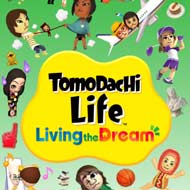
Tomodachi Life: Living the Dream looks like a simple island-building toy at a glance, but it plays like a slow-burn soap opera you mostly just get to watch, since the Miis populating that island make most of their own decisions with only occasional player input.
| Genre | Life simulation |
| Core Mechanic | Populate an island with Mii avatars and guide their autonomous relationships |
| Platform | Console |
Building an Island of Miis in Tomodachi Life: Living the Dream
The foundation is populating an island with Mii characters modeled after yourself, family, friends, or entirely original creations, then designing the physical space they live in with homes, stores, restaurants, and other buildings. Rather than directly controlling these Miis moment to moment, players mostly guide the world around them and step in occasionally when a Mii needs help resolving a personal problem.
New players often try to micromanage every Mii’s daily routine, checking in constantly and feeling like nothing is happening without direct input. Players who settle into the format instead let stretches of time pass unattended, then return to find relationships and rivalries that developed entirely on their own.
By the time an island has a dozen or more Miis, that hands-off pacing becomes the entire appeal, since the surprises come specifically from what happened while nobody was watching.
Relationships and What’s New in Tomodachi Life: Living the Dream
Miis develop relationships and personal storylines with a level of autonomy that keeps the island feeling alive between direct check-ins, and this entry notably expands representation within that relationship system, including same-sex relationships and non-binary Mii identities.
- Miis can be modeled after real people or built entirely from imagination
- Relationship options include same-sex pairings alongside traditional pairings
- Non-binary Mii identities are supported as a standard character option, not a hidden setting
Players and fan communities responded warmly to those additions, treating them as a meaningful, overdue evolution of a life-simulation format built entirely around letting players see themselves and the people they know reflected on the island, though a small number of longtime players have debated how these changes shift the tone of an island built primarily around lighthearted absurdity.
Do I need to have played an earlier Tomodachi Life game first?
No, Tomodachi Life: Living the Dream stands on its own, though returning fans will recognize the core Mii-based life simulation immediately.
Can I add real people as Miis on my island?
Yes, Miis can be created based on yourself, family members, friends, or entirely original characters with custom appearances and personalities.
Does the game support same-sex relationships between Miis?
Yes, this entry expanded relationship options to include same-sex couples and non-binary Mii identities as standard choices.
Reviving a beloved life-simulation formula after a long gap is a genuine risk, but Tomodachi Life: Living the Dream leans into what made watching a Mii named after your own sibling awkwardly propose to a Mii modeled on a childhood friend so memorable in the first place, rather than reinventing the format beyond recognition.
Comments
There are no reviews yet. Be the first one to write one.