


-
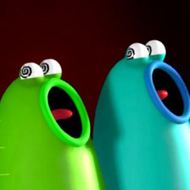
Blob Opera
-
The Choicest Voice
-

SpongeBob Is This How You Get Your Sick Kicks
-
Hiding from Randall Monsters Inc
-
Dance Moms – GET YOUR FINGER OUT OF MY FACE
-

Doppio switch into Diavolo
-
SpongeBob SquarePants – Insultin a mans ship
-

Ichigo vs Grimmjow
-
Family Guy Peter Does Crack
-

TAWOG Have You Noticed That Your Voice Has Changed – The Castle
-
Kung Fu Panda o sigma da Bahia
-
Peter Griffin Plays Call of Duty Dub
-
Stutter incident – Joe Bart
-
No This Is My Lolly

Blob Opera








![SEU MANIACO [PT-BR]](https://thechoicervoicergames.com/wp-content/uploads/2026/09/Seu-Maniaco_12_11zon-200x150.webp)



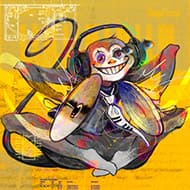
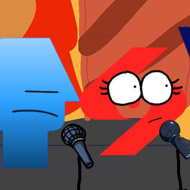




Blob Opera does not look like it should work. Four soft, wobbling blobs stand in for an opera quartet, and dragging your cursor up or down each one changes pitch in real time — yet somehow the result sounds genuinely operatic rather than like a novelty toy.
How the Four Voices Work in Blob Opera
Blob Opera assigns each blob a distinct vocal range — soprano, mezzo-soprano, tenor, and bass — and dragging a blob vertically shifts its pitch continuously rather than in fixed musical steps, letting you glide between notes the way a real singer would. Clicking a blob toggles it between an open “ah” vowel and a closed hum, giving even a single voice two very different textures to play with.
New users almost always make the same mistake first: they treat the blobs like a simple slider and move all four at once, producing a muddy wash of pitch instead of anything resembling harmony. Players who get more out of the tool tend to isolate one voice at a time, build a stable chord across all four, and only then start moving individual blobs to create melodic movement on top.
The AI Harmonization Behind Blob Opera
What separates Blob Opera from a basic pitch toy is the machine learning model trained on real opera singers, which nudges your input toward harmonically coherent results even when your dragging is imprecise. This is the detail most players discover by accident and then can’t stop mentioning afterward — the sense that the tool is quietly correcting toward something musical rather than simply mapping mouse position to raw pitch.
Curious tinkerers spend most of their time testing extremes — dragging a blob to its lowest or highest possible pitch just to hear the voice strain at its range — while more musically inclined users use Blob Opera to sketch actual four-part harmony ideas before moving them into other software.
What Blob Opera Doesn’t Do
It’s worth being honest about the limits here: Blob Opera doesn’t let you input specific notes precisely, doesn’t support saving elaborate compositions beyond a shareable short recording, and offers no lyrics beyond the vowel sounds. Some players find that restrictive after the initial novelty fades, and that’s a fair criticism — Blob Opera was built as a playful demonstration rather than a full composition tool, and it doesn’t pretend otherwise.
Can you record and share what you make in Blob Opera?
Yes, Blob Opera includes a feature for capturing a short recording of your performance that can be shared with others.
Do the blobs sing actual words?
No — the voices use vowel sounds like “ah” and closed humming rather than full lyrics, keeping the focus on pitch and harmony rather than language.
Why does my four-blob chord sometimes sound off no matter how I drag them?
This usually happens when voices are pushed to the very edges of their vocal range, where the underlying model has less natural singing data to draw from, making the tone sound strained rather than incorrect.
Blob Opera earns its lasting appeal from that gap between how silly it looks and how legitimately musical it sounds once you slow down, isolate the bass blob, and actually listen to what a real four-part chord is doing underneath the wobbling animation.
Comments
There are no reviews yet. Be the first one to write one.