Rhythm Games combine timing, sound, and interaction into a format where each action depends on the beat. Instead of relying only on quick reactions, players need to recognize patterns, follow changing tempos, and respond at the right moment. This category includes different styles that make music an important part of how each game is played.
What Makes Rhythm Games Different
Rhythm Games are built around a simple principle: timing affects the result. Notes, prompts, symbols, or other visual cues appear in a sequence, and the player must react according to the rhythm. Some experiences focus on precise button presses, while others ask players to imitate sounds, follow movement patterns, or maintain a steady sequence.
The musical element also changes the way a game feels from one session to another. A familiar pattern can become easier with practice, while a faster sequence may require greater concentration. This combination of sound and interaction gives Rhythm Games a distinct structure compared with categories that depend mainly on exploration, combat, or puzzles.
Different Ways to Follow the Beat
Not every Rhythm Games experience uses the same type of interaction. The controls and objectives can vary considerably, even when the central idea remains connected to music. Common approaches include:
- Beat matching — Pressing a key or selecting an action when a visual marker reaches a specific point.
- Pattern recognition — Remembering short musical sequences and reproducing them in the correct order.
- Voice interaction — Using sound or vocal input as part of the challenge.
- Sequence control — Following a stream of changing prompts without losing the intended rhythm.
- Musical puzzles — Combining rhythm with decisions, matching tasks, or other gameplay elements.
Because these formats use different forms of interaction, players can choose a game that suits their preferred way of responding. Someone who enjoys predictable patterns may prefer structured sequences, while another player may enjoy challenges that change direction quickly.
Timing Is the Main Challenge
In many Rhythm Games, accuracy matters more than speed alone. Pressing an action too early or too late can break a sequence, reduce a score, or force the player to start again. This creates a useful learning process: players gradually become familiar with the rhythm and begin to recognize when the next action should happen.
A good Rhythm Games session often feels like a short exercise in concentration. The player has to watch the screen, listen to the audio, anticipate what is coming next, and make a decision without unnecessary hesitation. These elements can make even a simple game more demanding once the tempo increases.
Learning Through Repetition
Practice plays an important role in music-focused gameplay. A difficult sequence may seem unpredictable during the first attempt, but repeated sessions can reveal its structure. Players begin to identify recurring patterns and understand how different sections of a track are arranged.
- Start with a manageable rhythm and focus on consistency.
- Learn the visual cues instead of reacting to every prompt randomly.
- Pay attention to repeated sections and changes in tempo.
- Increase the difficulty after the basic sequence becomes comfortable.
- Use mistakes to identify which part of the pattern needs more practice.
This approach works particularly well when a game introduces new mechanics gradually. Rather than expecting perfect performance immediately, players can build familiarity with each type of sequence before facing more complicated combinations.
Rhythm and Voice-Based Challenges
Some Rhythm Games place greater emphasis on the player’s voice or ability to reproduce sounds. These experiences can make interaction less predictable because the player is not simply selecting a button. The challenge may involve matching a sound, following a vocal pattern, or responding to an instruction at the correct moment.
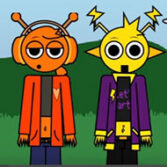
For players interested in this style, The Choicer Voicer offers a natural example of how voice interaction can become part of a music-oriented game experience. The important element is not simply producing a sound, but responding to the challenge while keeping track of timing and sequence.
Choosing a Suitable Difficulty
Difficulty in Rhythm Games can depend on several factors rather than one simple setting. Faster tracks usually demand quicker reactions, while complicated patterns require stronger concentration. Some game formats may also introduce several actions at once, making it necessary to divide attention between different parts of the screen.
When choosing a Rhythm Games experience, consider how much precision you want from the session. Beginners may prefer slower sequences with clear visual prompts. More experienced players can look for layered patterns, shorter reaction windows, or changing rhythms that require constant adjustment.
- Beginner: simple patterns, slower timing, and clear prompts.
- Intermediate: longer sequences and more frequent changes.
- Advanced: rapid inputs, overlapping patterns, and limited reaction time.
Why Music Changes Gameplay
Music provides more than background sound in this category. It can act as a guide for the player’s actions and create a recognizable structure within each level. A change in tempo may signal a new section, while a repeated phrase can help players anticipate what comes next.
This relationship between audio and interaction gives Rhythm Games a different kind of feedback. Instead of relying only on visual information, players can use the beat itself to understand when an action should occur. With practice, the sound can become almost as important as the prompts shown on the screen.
Playing With Focus and Consistency
Successful Rhythm Games sessions usually depend on maintaining attention from beginning to end. Looking away for even a short moment can cause a player to miss several inputs, particularly when the sequence moves quickly. Staying relaxed can also help because rushing often leads to early or inaccurate actions.
A useful approach is to concentrate on the current section rather than worrying about the final score. If a mistake happens, continuing with the next sequence is often more effective than trying to compensate immediately. This keeps the rhythm intact and gives the player another opportunity to recover.
Exploring Music-Based Game Categories
Rhythm Games can appeal to players with very different interests because the category covers more than traditional note-matching challenges. Some game experiences emphasize memorization, others focus on voice interaction, and some combine musical timing with puzzles or competitive scoring.
Exploring several formats can also reveal which type of challenge feels most natural. A player who enjoys short reaction tests may prefer rapid sequences, while someone who likes repetition and memorization may favor structured patterns. The variety within Rhythm Games makes it possible to switch between different styles without leaving the broader music-focused category.
Making Each Session More Enjoyable
The best Rhythm Games experience does not necessarily come from achieving the highest score immediately. Progress can be measured by recognizing a difficult pattern, completing a longer sequence, or improving accuracy compared with an earlier attempt. Small improvements make repeated play more meaningful.
It can also help to change the type of game from time to time. Moving from a straightforward beat challenge to a voice-based activity or a pattern-focused title keeps the experience varied. Each format develops a different part of the player’s ability to listen, anticipate, remember, and respond.
A Category Built Around Interaction
Rhythm Games bring music and player decisions together in a way that makes timing central to the experience. Whether the challenge involves matching beats, remembering sequences, following vocal cues, or reacting to changing patterns, every action has a relationship with sound. With practice and attention, players can become more accurate while discovering which musical challenges suit their preferred style.