


-

Blob Opera
-

The Choicest Voice
-

SpongeBob Is This How You Get Your Sick Kicks
-

Hiding from Randall Monsters Inc
-

Dance Moms – GET YOUR FINGER OUT OF MY FACE
-

Doppio switch into Diavolo
-

SpongeBob SquarePants – Insultin a mans ship
-

Ichigo vs Grimmjow
-
Family Guy Peter Does Crack
-

TAWOG Have You Noticed That Your Voice Has Changed – The Castle
-

Kung Fu Panda o sigma da Bahia
-
Peter Griffin Plays Call of Duty Dub
-
Stutter incident – Joe Bart
-
No This Is My Lolly

Thumb Fighter














![SEU MANIACO [PT-BR]](https://thechoicervoicergames.com/wp-content/uploads/2026/09/Seu-Maniaco_12_11zon-200x150.webp)

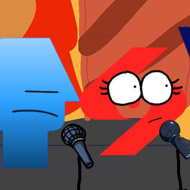
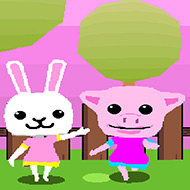
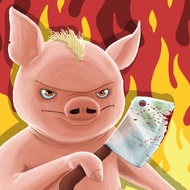

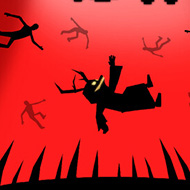


How long can you actually keep your thumb pinned at the top before your reflexes give out? That question is the entire premise of Thumb Fighter, a game that takes the schoolyard thumb war everyone already knows and turns it into a full one-on-one fighting format, complete with named fighters, themed arenas, and a surprising amount of depth hiding inside a single button.
Picking Your Fighter in Thumb Fighter
Before any match starts, you pick which oversized, personality-loaded thumb you want representing you in the ring.
- Blinky
- Bobbie
- Red Bro
- BatThumb
None of the fighters play identically, and part of the early appeal is figuring out which one matches your own timing instincts. Some players gravitate toward BatThumb for the theatrical presentation alone, while others stick with whichever fighter felt most natural to control in their first couple of matches, since comfort with the timing window matters more here than any cosmetic preference.
Timing the Drop and the Pin
The controls could not be simpler on paper: one button per thumb, pressed to attack and released to dodge. The actual skill comes from timing that release correctly. You are waiting for your opponent’s thumb to drop, then jumping on top of it before they recover, and holding that top position longer than they hold theirs is how a round is won. Press too early and you whiff the attack, leaving yourself open. Release too late and you eat a pin you had no way to see coming.
This is where most beginners get the game wrong. Mashing the button on instinct feels productive, but experienced players describe the actual rhythm as more of a read-and-react exchange, closer to a timing duel than a button-mashing contest. Once you start watching your opponent’s thumb instead of your own, the whole match changes character.
Arenas and Escalating Opponents in Thumb Fighter
Matches play out across a range of themed arenas, each with its own backdrop, and while the ring itself does not change the core timing mechanic, the escalating difficulty of the opponents you face keeps early confidence in check. Early bouts against the computer forgive a mistimed release or two, but later opponents punish hesitation almost immediately, expecting you to have already internalized the drop-and-pin rhythm by that point.
The variety in arena backdrops also does a lot of quiet work in keeping repeated matches feeling fresh, since the actual mechanic never changes and the visual variety is what carries a session past its first few rounds.
Multiplayer Showdowns Against Friends and AI
Thumb Fighter is built around head-to-head matches, and it plays just as well against a friend on the same device as it does against the computer. Local matches tend to get more competitive faster, since a friend learns your timing patterns within a round or two and starts baiting mistimed presses on purpose, something the computer opponents rarely bother doing until later fights.
Which fighter is best for beginners in Thumb Fighter?
There is no single correct pick since the fighters differ mostly in feel rather than raw power, but newer players often start with Blinky or Bobbie simply because their timing windows feel the most forgiving to learn on.
Why do I keep losing even when I press the button quickly?
Pressing quickly does not matter as much as releasing at the right moment. The core exchange rewards reading your opponent’s drop and jumping on top of it, not raw reaction speed on the attack button alone.
Can you play Thumb Fighter against another person instead of the computer?
Yes, local matches against a friend on the same device are supported alongside matches against computer-controlled opponents across the game’s arenas.
Thumb Fighter takes something as small as a childhood thumb war and stretches it into a genuinely tense fighting format, and once BatThumb or Red Bro locks in that final pin against a friend who thought they had the timing figured out, it is easy to see why the format has stuck around.
Comments
There are no reviews yet. Be the first one to write one.