


-
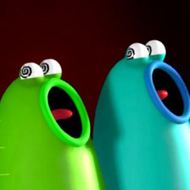
Blob Opera
-
The Choicest Voice
-
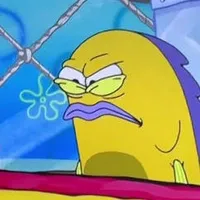
SpongeBob Is This How You Get Your Sick Kicks
-
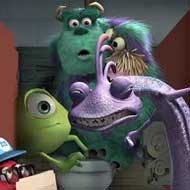
Hiding from Randall Monsters Inc
-
Dance Moms – GET YOUR FINGER OUT OF MY FACE
-

Doppio switch into Diavolo
-
SpongeBob SquarePants – Insultin a mans ship
-
Ichigo vs Grimmjow
-
Family Guy Peter Does Crack
-
TAWOG Have You Noticed That Your Voice Has Changed – The Castle
-
Kung Fu Panda o sigma da Bahia
-
Peter Griffin Plays Call of Duty Dub
-
Stutter incident – Joe Bart
-
No This Is My Lolly
Toca Boo
![SEU MANIACO [PT-BR]](https://thechoicervoicergames.com/wp-content/uploads/2026/09/Seu-Maniaco_12_11zon-200x150.webp)
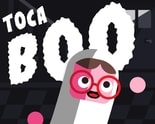
In Toca Boo you start out as a ghost stuck in a house that’s about to be sold out from under you, which matters immediately because the entire game is built around stopping that sale before it closes.
| Genre | Short Survival / Comedy Horror |
| Role | House-bound ghost |
| Goal | Scare off potential buyers |
In Toca Boo, Scaring People Off Is the Objective
Toca Boo puts you in control of a ghost who is, by the game’s own framing, lonely and fairly good-hearted — though that’s not how the visitors touring the house are going to experience the encounter. Your job across each short session is to make sure the house doesn’t get bought, which means using whatever’s available in the environment to unsettle the people walking through it. Environmental scares are the primary tool here: slamming doors, flickering lights, and moving objects at the right moment do more work than any direct confrontation would.
The game plays fast, with runs typically wrapping up quickly rather than dragging into a long survival loop, and that pacing is deliberate — it’s built to be replayed rather than sat with for hours in one sitting.
Why Toca Boo’s Ghost Isn’t a Simple Villain
What players tend to bring up in discussion is how the ghost’s motivation complicates the usual haunted-house premise. You’re not trying to hurt anyone; you’re trying to stay in the only home you’ve got, and the humor in Toca Boo comes from how mismatched that sympathetic goal is against how genuinely creepy the buyers find the experience. That tension — comedic on your end, unsettling on theirs — is a big part of why the game reads as lighter than its haunted-house premise suggests on paper.
Repeating the Same Scare Too Often
New players often try to scare every visitor the same way, repeating whatever startled the first buyer successfully. Toca Boo rewards variety instead — buyers react differently depending on where they are in the house and what they’ve already seen, so leaning on one trick repeatedly tends to lose effectiveness by the second or third attempt in a single run.
The other common early mistake is rushing straight for the loudest scare available instead of reading the room first. A slower buildup — a door creaking before it slams — tends to land better than an immediate jump scare with no setup at all.
- Is Toca Boo violent? No — the entire game is built around non-violent scares like slamming doors and flickering lights rather than direct confrontation.
- How long does a single session take? Runs are intentionally short, which makes the game easy to replay in quick sessions rather than one long sitting.
- Do different buyers react differently? Yes — reading each visitor’s behavior before choosing a scare tends to work better than repeating the same trick on everyone.
By the time the last buyer bolts for the door in Toca Boo, what sticks isn’t the scare itself but the small, strange sympathy the game builds for a ghost who just wants to keep the lights of an empty house on for one more night.
Comments
There are no reviews yet. Be the first one to write one.