


-

Blob Opera
-
The Choicest Voice
-

SpongeBob Is This How You Get Your Sick Kicks
-
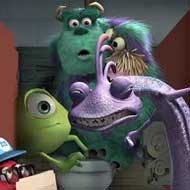
Hiding from Randall Monsters Inc
-

Dance Moms – GET YOUR FINGER OUT OF MY FACE
-

Doppio switch into Diavolo
-
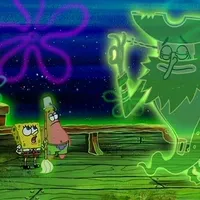
SpongeBob SquarePants – Insultin a mans ship
-
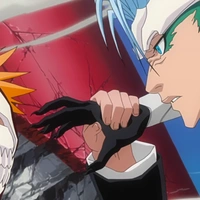
Ichigo vs Grimmjow
-
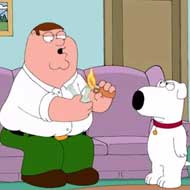
Family Guy Peter Does Crack
-
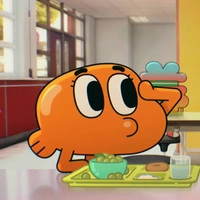
TAWOG Have You Noticed That Your Voice Has Changed – The Castle
-
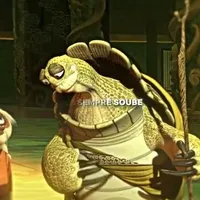
Kung Fu Panda o sigma da Bahia
-
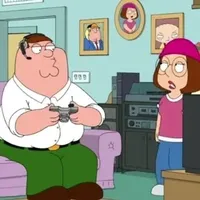
Peter Griffin Plays Call of Duty Dub
-
Stutter incident – Joe Bart
-
No This Is My Lolly

Casual Chess







![SEU MANIACO [PT-BR]](https://thechoicervoicergames.com/wp-content/uploads/2026/09/Seu-Maniaco_12_11zon-200x150.webp)



You slide a bishop three squares across the diagonal, pin the enemy knight against its own king, and watch the reply come back a little slower than the last one. Casual Chess puts you in that exact spot from the opening move, whether you’re facing the built-in engine or passing the board to a friend sitting on the same screen.
| Genre | Board Strategy |
| Modes | Player vs Computer, Pass and Play |
| Controls | Click or Tap to Move Pieces |
| Board | Standard 8×8 Set |
Opening Pressure and Piece Development in Casual Chess
Most losses in the first ten moves come from developing pieces without a plan. Beginners tend to push pawns and move the same knight twice while the opponent quietly claims the center with a bishop-and-knight pair aimed at the kingside.
The fix is simple to state and hard to hold to under pressure: get both knights and both bishops into play before moving any piece a second time, and only push center pawns when a specific square is being fought over.
Rooks matter far less early than newer players assume. Connecting them behind a castled king does more for a position than rushing a rook to an open file on move six.
Reading Pins, Forks, and the Trade You Shouldn’t Take
A pinned piece looks safe on the board but can’t actually do its job. Players who ignore that a defender is pinned to their own king routinely lose material to a follow-up fork a move or two later.
Not every even trade is worth taking. Swapping your active bishop for a passive knight can hand the opponent a slow, grinding advantage that only shows up ten moves after the exchange happens.
Watch for the moment an opponent offers a trade that looks harmless. In Casual Chess against the computer, the engine will happily take a piece back if the offer opens your king to a check it couldn’t reach otherwise.
Endgame Habits Worth Building
Once queens come off the board, king activity decides more games than any remaining piece. Marching your own king toward the center a full turn before the opponent does is often the whole advantage you need.
Common Questions About Casual Chess
Can two people play Casual Chess on one device without an account?
Yes, pass and play works by handing control back and forth after each move, with no login needed to start a match on the same screen.
What happens if neither side can force checkmate?
The game ends in a draw, most commonly through stalemate, threefold repetition of the same position, or insufficient material like a lone king against a king and bishop.
Does the computer opponent play the same way every match?
No, the engine varies its opening choices and will punish repeated mistakes differently depending on how the position develops, so memorizing one line rarely works twice.
Strip away the clock and the tournament pressure, and what’s left in Casual Chess is still the same core fight: a pinned knight, a queen eyeing an undefended back rank, and a player who has to decide whether the trade in front of them is actually worth taking.
Comments
There are no reviews yet. Be the first one to write one.