


-
Blob Opera
-
The Choicest Voice
-
SpongeBob Is This How You Get Your Sick Kicks
-
Hiding from Randall Monsters Inc
-
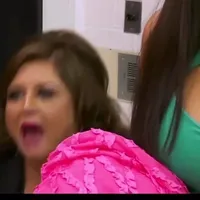
Dance Moms – GET YOUR FINGER OUT OF MY FACE
-

Doppio switch into Diavolo
-
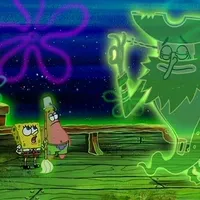
SpongeBob SquarePants – Insultin a mans ship
-
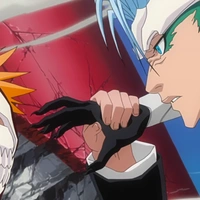
Ichigo vs Grimmjow
-
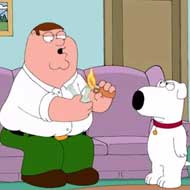
Family Guy Peter Does Crack
-
TAWOG Have You Noticed That Your Voice Has Changed – The Castle
-
Kung Fu Panda o sigma da Bahia
-
Peter Griffin Plays Call of Duty Dub
-
Stutter incident – Joe Bart
-
No This Is My Lolly

Chess Grandmaster


![SEU MANIACO [PT-BR]](https://thechoicervoicergames.com/wp-content/uploads/2026/09/Seu-Maniaco_12_11zon-200x150.webp)



Chess Grandmaster looks like any other browser chess board until the engine on the other side stops making the mistakes casual players lean on, and starts punishing exactly the shortcuts most people build their whole opening around.
| Genre | Board Strategy |
| Modes | Player vs Scaling AI |
| Controls | Click or Tap to Move Pieces |
| Board | Standard 8×8 Set |
How Chess Grandmaster’s Difficulty Curve Actually Escalates
Players who ask whether the computer opponent plays the same at every level are missing the real shift: on the lower rungs it tolerates a loose pawn structure, but past the midpoint it starts converting small positional edges into forced material wins within five or six moves.
Casual players get away with early queen sorties against weaker settings and then wonder why the exact same opening move gets refuted two turns later once the difficulty climbs.
Beginners consistently misjudge how fast tempo matters here — wasting even one move repositioning a piece that was already fine tends to hand the stronger settings a lasting initiative.
- Develop knights before bishops on higher settings, since the engine contests open diagonals earlier than lower ones do.
- Castle by move eight or nine whenever the center allows it, rather than delaying for one more developing move.
- Trade queens off the board when your king is exposed, instead of gambling on a mating attack the engine usually calculates its way out of.
Opening Traps That Stop Working Past the Easy Setting
Scholar’s-mate style attacks and other beginner traps get refuted almost automatically once the AI’s search depth increases, which is honestly one of the more divisive parts of Chess Grandmaster among players who came in expecting a forgiving practice partner.
What actually works instead is quieter piece coordination: doubling rooks on a half-open file, or building a small space advantage on the queenside before committing to any attack at all.
The community vocabulary around this shift up in strength gets called “the wall,” the point where obvious tactics stop landing and every plan needs a backup line.
- Watch which pawn breaks the engine allows without punishment — that tells you where it considers the position already safe.
- Note how many moves it takes before a loose piece gets targeted; on the hardest setting it’s rarely more than two or three.
Why Chess Grandmaster Punishes Premature Attacks
An attack launched before the last minor piece is developed almost always gets met with a calm defensive move, and that single habit separates the higher difficulty tiers from the lower ones.
Treating every move as a question the engine answers precisely changes the game’s whole shape — patience is the real skill tested, not memorized openings.
What keeps Chess Grandmaster in a browser tab longer than most casual board games is that the gap between “beating the easy setting” and “beating the hardest one” is a real, learnable jump in understanding, not just a difficulty slider with bigger numbers attached.
Comments
There are no reviews yet. Be the first one to write one.