


-

Mimic Party
-
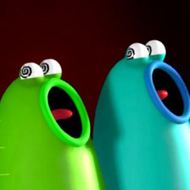
Blob Opera
-

The Choicest Voice
-

SpongeBob Is This How You Get Your Sick Kicks
-

Hiding from Randall Monsters Inc
-

Dance Moms – GET YOUR FINGER OUT OF MY FACE
-

Doppio switch into Diavolo
-
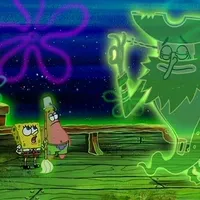
SpongeBob SquarePants – Insultin a mans ship
-
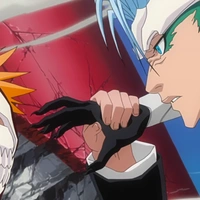
Ichigo vs Grimmjow
-

Family Guy Peter Does Crack
-
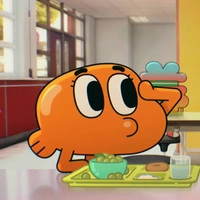
TAWOG Have You Noticed That Your Voice Has Changed – The Castle
-
Kung Fu Panda o sigma da Bahia
-
Peter Griffin Plays Call of Duty Dub
-
Stutter incident – Joe Bart
-
No This Is My Lolly
Pikabuu: STOP







![SEU MANIACO [PT-BR]](https://thechoicervoicergames.com/wp-content/uploads/2026/09/Seu-Maniaco_12_11zon-200x150.webp)




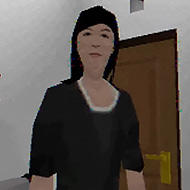
You watch Beni take a phone call that starts as ordinary as any other, a small financial decision that seems manageable in the moment, and by the third act of Pikabuu: STOP you understand exactly how far that single choice can spiral once desperation sets in for a husband and father with no good options left.
| Genre | Dark visual novel |
| Core Mechanic | Branching narrative choices punctuated by timed input sequences |
| Platform | PC and mobile |
Beni, Nadia, and Kaila: The Family at the Center of Pikabuu: STOP
Rather than opening with an obvious threat, Pikabuu: STOP roots its horror in something far more grounded: a husband and father, Beni, watching stability with his wife Nadia and daughter Kaila erode after one unwitting decision. That framing gives the slow-burn tension real emotional stakes, since the fear isn’t about something lurking in the house but about Beni’s own choices narrowing with every passing scene.
Players new to this kind of narrative often expect a twist to soften the outcome, treating early warning signs as red herrings rather than genuine foreshadowing. Players who read the tone correctly instead treat every small compromise Beni makes as a real signal of where a given playthrough is heading.
By the time Kaila’s presence in a scene shifts from comforting to quietly unsettling, the story has already committed to the direction that choice put it on.
Reflex Sequences Layered Into Pikabuu: STOP’s Narrative
Unlike a pure visual novel that only asks players to read and choose dialogue options, Pikabuu: STOP inserts button-mashing challenges and precisely timed input sequences at key narrative moments, using physical tension in the controls to mirror the emotional tension of the scene playing out.
Input tension: these sequences are deliberately not built around skill mastery or extensive practice; they exist to keep players engaged and present during the story’s most charged beats, and that design choice answers a common question directly, whether missing an input sequence changes the story outright; it generally reinforces the emotional weight of the moment rather than gating progress on reflex skill alone.
Frequently Asked Questions About Pikabuu: STOP
- Is Pikabuu: STOP an action-focused game? No, it’s a narrative-driven visual novel with occasional timed input sequences rather than combat or exploration.
- Does the game include mature or sensitive subject matter? Yes, it directly addresses domestic strain and financial desperation involving Beni’s family, and it is intended for players prepared for heavy subject matter.
- How many endings does Beni’s story have? Six total endings exist, split between outcomes generally considered positive and several considered much darker.
This is not a game built for a quick, casual session, and Pikabuu: STOP makes no attempt to disguise that fact; watching how differently Nadia and Kaila’s fates play out depending on Beni’s choices across a second playthrough is exactly the kind of uncompromising storytelling the game was built to deliver.
Comments
There are no reviews yet. Be the first one to write one.