


-
Blob Opera
-

The Choicest Voice
-

SpongeBob Is This How You Get Your Sick Kicks
-
Hiding from Randall Monsters Inc
-

Dance Moms – GET YOUR FINGER OUT OF MY FACE
-

Doppio switch into Diavolo
-
SpongeBob SquarePants – Insultin a mans ship
-

Ichigo vs Grimmjow
-

Family Guy Peter Does Crack
-

TAWOG Have You Noticed That Your Voice Has Changed – The Castle
-

Kung Fu Panda o sigma da Bahia
-

Peter Griffin Plays Call of Duty Dub
-
Stutter incident – Joe Bart
-

No This Is My Lolly

BONELAB













![SEU MANIACO [PT-BR]](https://thechoicervoicergames.com/wp-content/uploads/2026/09/Seu-Maniaco_12_11zon-200x150.webp)





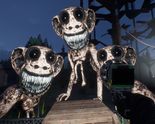




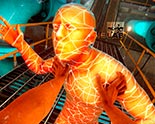
What exactly does a routine inspection team find when they finally breach a space base that’s gone silent for too long? BONELAB answers that question slowly, room by room, in a way that trades jump scares for the much slower dread of realizing what the previous crew was actually building down there.
| Genre | Third-Person Action Horror |
| Setting | Remote sci-fi space base |
| Threat | Weaponized biological experiments |
BONELAB: A Routine Inspection That Goes Wrong
The setup behind BONELAB is straightforward on the surface — a space patrol locates a mysterious base on a remote planet and sends a team in to inspect it. What they find instead of an abandoned outpost is a secret laboratory, one that had been developing live biological weapons long before anyone from outside knew the base existed. That discovery reframes everything about the environment retroactively; empty corridors that felt merely eerie on first entry take on a different weight once the lab’s purpose becomes clear.
Third-person perspective keeps the base itself in view more than a first-person camera would, which matters here — a lot of the tension comes from spotting movement at the edge of the frame before you’re sure whether it’s actually there.
BONELAB’s Atmosphere Over Combat
BONELAB leans harder on atmosphere than on constant confrontation. The sci-fi environment is dense with small environmental storytelling details — abandoned equipment, warning signs, the kind of clutter that suggests a facility evacuated in a hurry rather than one that simply shut down on schedule. Players who go in expecting a shooter-paced experience tend to be surprised by how much of the game is spent reading a room rather than fighting through it.
Rushing Past What the Base Is Telling You
New players frequently push forward too fast, treating BONELAB like a linear horror shooter instead of pausing to take in the environmental cues the base is constantly offering. A lot of the dread here is front-loaded into what you notice rather than what jumps out at you, and rushing through corridors skips past exactly the details that make the eventual reveal about the lab land harder.
The other common mistake is assuming every biological experiment encountered behaves the same way. They don’t, and treating each new threat with the same approach that worked on the last one is a fast way to get caught off guard.
- Third-person camera keeps peripheral movement visible
- Environmental storytelling reveals the lab’s history gradually
- Different biological threats call for different approaches
- Pacing rewards careful exploration over rushing through corridors
Players often ask whether BONELAB is more about story or about survival, and the honest answer is both at once — the horror comes as much from piecing together what happened at the base as it does from whatever’s still alive down there waiting for the inspection team to get close enough. Another common question is whether the game punishes slow, cautious play; it doesn’t, since the atmosphere is built specifically to reward players willing to take their time reading a room before moving through it. And for players wondering whether a first-person version changes the experience meaningfully, the third-person perspective used here is specifically what keeps peripheral threats visible in a way a tighter camera wouldn’t.
By the time the true scope of what the base was hiding becomes clear, BONELAB has already made its point — some of the worst things in the universe aren’t hiding around a corner, they’re sitting in plain sight in a lab nobody was supposed to find.
Comments
There are no reviews yet. Be the first one to write one.