


-

Blob Opera
-
The Choicest Voice
-

SpongeBob Is This How You Get Your Sick Kicks
-

Hiding from Randall Monsters Inc
-

Dance Moms – GET YOUR FINGER OUT OF MY FACE
-

Doppio switch into Diavolo
-
SpongeBob SquarePants – Insultin a mans ship
-

Ichigo vs Grimmjow
-

Family Guy Peter Does Crack
-
TAWOG Have You Noticed That Your Voice Has Changed – The Castle
-

Kung Fu Panda o sigma da Bahia
-

Peter Griffin Plays Call of Duty Dub
-
Stutter incident – Joe Bart
-

No This Is My Lolly

TAXINAUT









![SEU MANIACO [PT-BR]](https://thechoicervoicergames.com/wp-content/uploads/2026/09/Seu-Maniaco_12_11zon-200x150.webp)


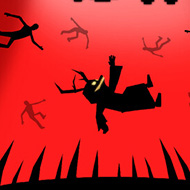


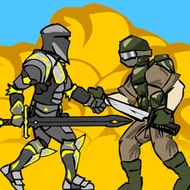


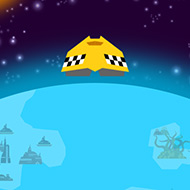
TAXINAUT is not a shooter, not a racer, and not a colonization epic, even though it borrows a galaxy big enough for all three. It hands you a battered cab and a list of impatient fares across the Kyprei-41 galaxy, and it never pretends saving the universe matters more than making rent.
| Genre | Space taxi simulation and open-world RPG |
| Platform | PC |
| Core Mechanic | Seamless planet-to-space fare deliveries |
| Setting | Kyprei-41 galaxy |
Driving Fares Across the Kyprei-41 Galaxy in TAXINAUT
The loop sounds simple: accept a fare, fly them where they need to go, collect payment, repeat. What makes TAXINAUT stand out is how the transition works. Descend from orbit into a planet’s atmosphere, skim over alien cityscapes, and land right at the door of a diner or a garage without a loading screen breaking the illusion of one continuous world.
Beginners usually treat every fare like a race, gunning straight for the destination marker. That backfires once passengers start commenting on your driving, since rough landings and reckless flying affect how much they tip. Slowing down near crowded stations matters more than raw speed.
Players who enjoy meticulous flying savor the long descent from orbit into a city skyline, since the seamless transition rewards patience over speed. Early trips stay close to home, but the galaxy opens up fast once you learn to warp between systems instead of flying every leg manually.
Gongs, Consumables, and Getting Better at TAXINAUT
Progress in TAXINAUT rarely comes from a skill tree screen. Instead it comes from small, named systems that stack quietly in the background. Gongs are the RPG-style modifiers that shape how your character handles stress, combat, and long hauls, adjusting your capabilities the way traditional stat points would in another game. Consumables cover the foods, drinks, and stranger substances you can pick up at a diner counter, each one nudging a skill temporarily rather than permanently. Ship upgrades tend to arrive passively, appearing after you sleep, so resting becomes a small strategic decision rather than a formality.
Players who enjoy open-ended exploration gravitate toward the secondary storylines threaded through the setting, while the main plot itself runs well past thirty hours for anyone who follows it start to finish. Either way, the galaxy does not funnel you anywhere; TAXINAUT trusts you to get lost.
The most common complaint in player discussions is pacing. Long stretches between fares can feel slow next to tighter simulation games, and some players debate whether the seamless travel is worth the quieter moments it creates. Others consider that slowness the entire point, since it gives the galaxy room to feel lived-in.
TAXINAUT succeeds by refusing to rush its own premise, letting a tired cab driver’s routine carry an entire galaxy of fares, diners, and Gongs on its back, and that patience is exactly what keeps players coming back to Kyprei-41 long after the first fare is dropped off.
Comments
There are no reviews yet. Be the first one to write one.