


-
Blob Opera
-

The Choicest Voice
-

SpongeBob Is This How You Get Your Sick Kicks
-

Hiding from Randall Monsters Inc
-

Dance Moms – GET YOUR FINGER OUT OF MY FACE
-

Doppio switch into Diavolo
-
SpongeBob SquarePants – Insultin a mans ship
-
Ichigo vs Grimmjow
-
Family Guy Peter Does Crack
-
TAWOG Have You Noticed That Your Voice Has Changed – The Castle
-
Kung Fu Panda o sigma da Bahia
-
Peter Griffin Plays Call of Duty Dub
-
Stutter incident – Joe Bart
-
No This Is My Lolly
Become A Fashion Designer
![SEU MANIACO [PT-BR]](https://thechoicervoicergames.com/wp-content/uploads/2026/09/Seu-Maniaco_12_11zon-200x150.webp)









![[Dub Mode] Garfielf](https://thechoicervoicergames.com/wp-content/uploads/2026/09/Dub-Mode-Garfielf_1_11zon-200x150.webp)









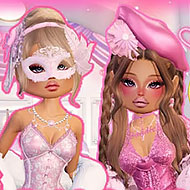
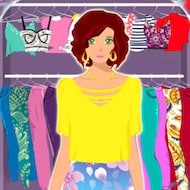
You have a client waiting, a half-built silhouette on the mannequin, and a shelf of fabric swatches you have not touched yet. That is the starting point of nearly every session in Become A Fashion Designer, a game that hands you the tools of an actual design studio and expects you to figure out what looks good rather than telling you outright. There is no single correct outfit to find here, only a client’s mood, a category of dress, and your own sense of what belongs together.
Designing From the Ground Up in Become A Fashion Designer
Every design starts with a category rather than a blank canvas. You are choosing between a princess dress, a party dress, everyday clothing, or a prom dress, and that choice quietly narrows which shapes and fabrics actually make sense for the rest of the build. Beginners often skip past this decision without thinking about it, then wonder why their favorite embellishments look out of place once the outfit is finished.
Selection works through a simple point-and-click or tap interface, layering pieces onto a model the same way a real stylist would build a look piece by piece. Nothing here is timed, so there is room to undo a choice and try a different top without penalty.
What separates this from a purely decorative dress-up loop is that every choice eventually has to answer to something, whether that is a client’s request or a competitive event, which gives the early creative freedom a purpose once you reach those stages.
Skirts, Tops, and Silhouette Choices
The garment shapes on offer are specific enough that players who care about silhouette have real decisions to make. A-line skirts flare gently from the waist and read as safe, classic choices for most client requests. Mini skirts push a design toward a younger, more casual party look. Layered skirts add volume and movement, useful when a client’s request leans dramatic. Bubble skirts round out at the hem for a playful, structured shape. Pencil skirts do the opposite, staying narrow and formal, which pairs well with prom or evening requests. Mermaid skirts flare sharply near the knee, a shape reserved for the most dramatic evening looks.
Tops follow a similar logic, with sleeves, straps, and strapless cuts each shifting how formal or casual the finished silhouette reads. Matching a strapless top to a mermaid skirt tends to read as evening wear, while sleeves paired with an a-line skirt reads closer to everyday clothing, and recognizing that pairing logic is most of what separates a design that answers a client’s request from one that misses it.
Fabrics, Patterns, and Color Palettes
Once a shape is chosen, materials, patterns, and colors decide whether the outfit actually looks intentional. A pattern that works on a mini skirt can look busy and cluttered on a full mermaid skirt simply because there is more fabric for the eye to track, and that is a lesson most players learn the hard way on an early client request rather than being told outright.
Color palette choices tend to divide players more than any other system in the game. Some prefer sticking to two or three coordinated tones per outfit, treating the palette almost like a rule, while others deliberately clash colors for events that reward a bold, memorable look over a safe one. Neither approach is objectively correct, and that disagreement shows up constantly in comments from people comparing their finished designs.
Accessories layer on last, and by this point in a build the earlier shape and fabric choices have already decided how much an accessory can add without overwhelming the design.
Dressing for Clients With Specific Requests
Client commissions are where the design tools stop being purely creative and start being a small puzzle. Each client arrives with a request, sometimes a mood, sometimes a specific occasion, and the job is translating that request into skirt, top, fabric, and accessory choices that actually fit what was asked for.
Early on, requests stay broad enough that almost any reasonable combination satisfies them, which is exactly why new players often assume the whole game is this forgiving. By the time you take on a prom or evening-focused client, the requests narrow considerably, rewarding the silhouette logic learned earlier rather than favorite pieces used out of habit.
This is also where the game answers a question new players ask constantly in reviews: does it matter which pieces I pick, or can I just dress up my favorite outfit every time? It does matter, at least once client requests move past the earliest, most forgiving ones.
Style Events and the Path to Star Fashion Designer
Style Events shift the loop from serving one client to competing against other designers, and this is the mode most players mention when the game comes up in conversation. Instead of a single request, you are working toward becoming the Star Fashion Designer, which means your outfit needs to stand out rather than simply satisfy a brief.
The competitive framing changes how players approach the same tools. A palette or silhouette that would comfortably satisfy a client commission can feel too safe for a Style Event, pushing players toward the more dramatic shapes, like mermaid skirts or strapless tops, that they might otherwise avoid.
Reaching Star Fashion Designer status is less about mastering one formula and more about being willing to take the same wardrobe of shapes and fabrics and use them more boldly than the client mode ever asked for.
Accessories and Finishing Details
Jewelry, bags, and hairstyles round out every build, and while they rarely make or break a client request on their own, they are frequently what players remember about a favorite design afterward. A well-chosen accessory can tie together a pattern and a silhouette that would otherwise feel disconnected.
Overloading an outfit with accessories is one of the more common mistakes beginners make, especially once the pattern and fabric choices already carry visual weight. Restraint here tends to read as more polished than piling on every available piece.
Learning From the Best Designers in Become A Fashion Designer
The game frames its late progression as learning directly from top designers, folding a mentorship angle into what is otherwise a sandbox of shapes and fabrics. Practically, this means the requests and events get more specific about what makes a design work, nudging players toward the silhouette and color lessons covered earlier instead of introducing entirely new mechanics.
Not every player finds this framing necessary, and it is one of the more divided opinions in discussions about the game: some appreciate the sense of progression it adds to what would otherwise be a purely creative sandbox, while others feel the actual design tools were compelling enough without it. Both reactions come from the same place, a game that trusts its fabric and silhouette systems to carry the experience on their own.
Become A Fashion Designer holds up because the fundamentals, from a pencil skirt paired with the right strapless top to a palette restrained enough to impress a Style Event judge, stay consistent from the first client through the push toward Star Fashion Designer.
Comments
There are no reviews yet. Be the first one to write one.