


-

Blob Opera
-

The Choicest Voice
-

SpongeBob Is This How You Get Your Sick Kicks
-

Hiding from Randall Monsters Inc
-

Dance Moms – GET YOUR FINGER OUT OF MY FACE
-

Doppio switch into Diavolo
-

SpongeBob SquarePants – Insultin a mans ship
-

Ichigo vs Grimmjow
-

Family Guy Peter Does Crack
-

TAWOG Have You Noticed That Your Voice Has Changed – The Castle
-

Kung Fu Panda o sigma da Bahia
-

Peter Griffin Plays Call of Duty Dub
-
Stutter incident – Joe Bart
-
No This Is My Lolly

Bomber Royale













![SEU MANIACO [PT-BR]](https://thechoicervoicergames.com/wp-content/uploads/2026/09/Seu-Maniaco_12_11zon-200x150.webp)







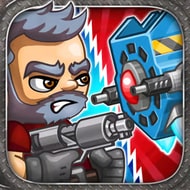



Bomber Royale looks like a straightforward grid-based bomb game from the lobby screen, but it plays like a survival scramble once the arena starts shrinking and half the players who were content to sit in a corner suddenly have nowhere left to hide.
| Genre | Grid-Based Battle Royale |
| Controls | Arrow Keys or Tap to Move and Place Bombs |
| Arena | Destructible Grid with Shrinking Zone |
| Win Condition | Last Player Standing |
Reading the Grid in Bomber Royale Before the Zone Closes
Every match opens with a full, mostly intact grid of destructible blocks, and the early minutes reward clearing paths and collecting power-ups over chasing kills, since a player without upgraded bomb range or bomb count falls behind fast once real fights start.
New players tend to place bombs reactively, right next to themselves in a panic, which is exactly the habit that traps them in their own blast radius once an opponent closes in.
The core mechanic in plain terms is simple — place a bomb, get clear of it before it detonates, and use the resulting explosion to either clear terrain or cut off an opponent’s escape route — but doing that under pressure from multiple directions is where matches are actually decided.
Power-Ups Worth Prioritizing Over Early Kills
Extra bomb capacity and wider blast radius compound in value the longer a match runs, and grabbing them early even at the cost of a slower start usually beats an aggressive opener with base-level bombs.
Speed upgrades matter more once the shrinking zone forces close-quarters fights, since outrunning a blast becomes as important as placing one accurately in the match’s final stretch.
Advanced players track which power-ups remain uncollected on the shrinking grid and route toward them deliberately, rather than only reacting to nearby opponents.
Why the Shrinking Zone Changes Every Habit That Worked Early
Corner camping is a legitimate early strategy, letting a cautious player avoid confrontation while the block-heavy grid still offers plenty of cover, but the shrinking zone eventually forces even the most passive players into the open.
What players commonly debate about Bomber Royale is how aggressively the zone should close — some feel it forces fights before players are ready, while others see it as the mechanic that keeps late matches from stalling out entirely.
Handling Multi-Directional Threats in Bomber Royale’s Final Stretch
Once the grid shrinks down to a handful of tiles, tracking bomb placements from more than one opponent at once becomes the real test, and misjudging a single blast radius in that final stretch is usually what ends a strong run.
The advanced technique most players miss is chaining bomb detonations deliberately, timing a placement so its blast triggers an opponent’s own bomb early and catches them off guard.
Common questions players ask before jumping in: can bombs be placed while moving without stopping, and yes, movement and bomb placement work independently, so a well-timed bomb doesn’t cost any speed. Does destroying every block clear the path permanently, and yes, cleared tiles stay open for the rest of that match once destroyed. Is there a way to tell which blocks hide power-ups before destroying them, and no, power-up locations stay hidden until the block covering them is actually cleared.
By the time the zone in Bomber Royale has shrunk down to a handful of tiles and every remaining player is holding at least one power-up, the match stops being about clever positioning and turns into pure nerve — who blinks first and places the bomb that starts the final exchange.
Comments
There are no reviews yet. Be the first one to write one.