


-
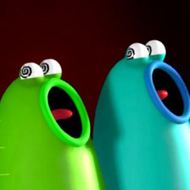
Blob Opera
-

The Choicest Voice
-

SpongeBob Is This How You Get Your Sick Kicks
-
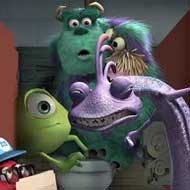
Hiding from Randall Monsters Inc
-

Dance Moms – GET YOUR FINGER OUT OF MY FACE
-

Doppio switch into Diavolo
-
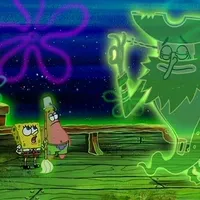
SpongeBob SquarePants – Insultin a mans ship
-

Ichigo vs Grimmjow
-

Family Guy Peter Does Crack
-

TAWOG Have You Noticed That Your Voice Has Changed – The Castle
-
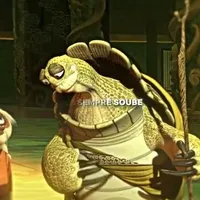
Kung Fu Panda o sigma da Bahia
-

Peter Griffin Plays Call of Duty Dub
-
Stutter incident – Joe Bart
-
No This Is My Lolly

Smile Dog











![SEU MANIACO [PT-BR]](https://thechoicervoicergames.com/wp-content/uploads/2026/09/Seu-Maniaco_12_11zon-200x150.webp)












You scan the same two pictures for the third time, certain you’ve already checked every corner, and then a tiny mismatch in a dog’s collar finally jumps out at you — that small payoff is the entire rhythm of Smile Dog, repeated scene after scene.
| Genre | Spot the Difference |
| Subject | Dog-filled scenes |
| Structure | Unlock new levels by finding differences |
Smile Dog: Two Scenes, A Handful of Differences
Smile Dog runs on the classic spot-the-difference format, presenting two nearly identical scenes packed with dogs and asking you to find every point where they diverge. Some differences are obvious on a first pass — a missing object, a color swap — while others hide in details easy to skim past, like a subtly repositioned ear or a shadow that doesn’t quite match between the two images.
Completing a scene unlocks the next one, giving the game a light sense of progression without introducing any real difficulty curve beyond “look more carefully.” That structure makes Smile Dog easy to pick up in short bursts, since there’s no penalty for taking your time on a single scene before moving on.
Scanning Smile Dog’s Scenes Too Quickly
New players tend to scan both images side by side in a single sweep rather than isolating one region at a time, which makes small differences easy to miss. Working through a scene in sections — top-left first, then top-right, and so on — catches details that a single quick pass consistently overlooks.
The other common habit is fixating on obvious visual elements like the dogs themselves while ignoring background details. A surprising number of differences in Smile Dog hide in scenery rather than in the dogs at the center of each frame, and players who only scan the foreground tend to stall out well before a scene is fully cleared.
A question that comes up often is whether Smile Dog gets meaningfully harder as you unlock later scenes — it does, gradually, mostly through smaller and more subtly placed differences rather than a higher total count per scene. Another common question is whether there’s any benefit to rushing through scenes quickly; there generally isn’t, since the game has no timer pressuring you and careful, unhurried scanning is simply the more effective approach here regardless of pace.
Despite the unsettling-sounding title, Smile Dog is a straightforwardly relaxing observation game underneath — the kind of thing that rewards a slower, more deliberate look rather than a fast one, one scene at a time.
Comments
There are no reviews yet. Be the first one to write one.